Insulin for Dogs: Dosing, Safety, and What to Expect (Vet Verified)

Insulin for dogs is commonly given through injections to help regulate blood sugar levels in dogs suffering from diabetes mellitus (Type 1 diabetes), but pet parents are usually quite worried about how to inject insulin with a syringe, alternative ways to do it, the dose, and more. Today, we get all the uncertainties out of the equation.
Insulin for Dogs – The Short Answer
Insulin for dogs is a daily treatment used to control blood sugar in dogs with diabetes. Most diabetic dogs need injections twice a day, usually around mealtimes. When given consistently and monitored by a veterinarian, insulin for dogs is both safe and highly effective, helping your dog regain energy, control thirst and urination, and feel like themselves again.
What Is Insulin for Dogs and Why Is It Needed?
Insulin for dogs is a hormone used to treat diabetes mellitus. It helps move sugar (glucose) from the bloodstream into cells, providing them with energy. In healthy dogs, the pancreas releases insulin after meals to keep blood sugar levels stable. But in diabetic dogs, that system breaks down.
Most dog diabetes closely resembles Type 1 diabetes in people, meaning the pancreas produces little to no insulin at all. In the United States alone, an estimated 85 million dogs suffer from diabetes, so it’s one of the most widespread diseases among dogs.
Without insulin, glucose builds up in the bloodstream instead of fueling the body’s cells and tissues. Over time, this leads to classic symptoms like:
- Increased thirst
- Frequent urination
- Weight loss despite a normal or increased appetite
- Lethargy
Proper insulin levels keep these symptoms at bay, especially when paired with the right diet.
How Insulin Shots for Dogs Work
You inject insulin with a small needle directly into the layer just under the skin. It is usually administered in the flabby skin of the back, between the shoulder blades, or on the flank. It is then slowly absorbed into the bloodstream and begins to lower blood sugar.
Timing is crucial when administering insulin shots to dogs. The goal is to mimic its natural production, so it’s best to give it around feeding times or immediately after a meal. Food raises blood sugar, and insulin helps control that rise.
Additionally, when you establish a routine for feeding and insulin administration for your dog, you can prevent dangerous spikes (hyperglycemia) or drops (hypoglycemia).
Once you begin treatment, you should notice reduced excessive thirst, fewer accidents, improved energy, and stabilised weight within days.
“I got the Maven sensor for my 14-year-old Chihuahua mix with heart and trachea issues. It gave me back peace of mind – I can track her RRR, BPM, drinking, and activity anytime and know instantly if something’s wrong. Highly recommend!”

★★★★★
Chiara De Luca
Titti
Types of Diabetic Insulin for Dogs (Vet Overview)
Several types of insulin are used to manage diabetes in dogs, and vets choose the type based on how your dog responds, how long the insulin lasts in their body, and how steady their blood sugar needs to be throughout the day.
Here are the most commonly prescribed options in veterinary medicine:
- Porcine lente insulin – This insulin is commonly prescribed for dogs. It has an intermediate duration of action and is typically given twice daily.
- Protamine zinc insulin (PZI) – PZI is a longer-acting insulin often used in both dogs and cats. It may provide smoother glucose control in some dogs.
- NPH insulin – A human insulin sometimes used off-label in dogs.
- Insulin glargine – A long-acting human insulin more commonly used in cats, but occasionally prescribed for dogs in specific cases.
Note that there isn’t a “best” insulin for every dog. It depends on the dog’s size and metabolism, blood glucose curve results, and other factors. Even your ability to set up a schedule for feeding and administering insulin, and to maintain it, has a role to play.
How Much Does Insulin for Dogs Cost?
Insulin for dogs costs between $30 and $150, depending on the type and manufacturer. One of the more common brands, Vetsulin, can be bought at Walmart for around $75 for 10ml.
Insulin for Dogs: Side Effects and Safety Risks
The most frequent risk of insulin therapy is hypoglycemia, which refers to a situation in which blood sugar levels drop too low. It usually happens when dogs receive too much insulin, don’t get enough food, or are more active than they should be.
Other side effects of insulin for dogs can include:
- Weakness or wobbliness
- Sudden lethargy
- Disorientation
- Tremors
- Collapse or seizures in severe cases
Can Dogs Use Human Insulin?
Dogs can use certain types of human insulin, but only under veterinary supervision. Some human insulin formulations are prescribed “off-label” for dogs when appropriate.
However, not all human insulins are suitable for canine diabetes, so you should never give them to your dog without a veterinarian’s guidance and approval. NPH insulin is a type of human insulin that is prescribed the most.
How Diabetes Is Monitored Over Time
The best way to monitor diabetes in your dog is through regular veterinary testing, such as an insulin-glucose response curve. The test measures blood sugar levels every 1–2 hours after an insulin injection to show when the insulin starts working, how low glucose drops (the nadir), and how long the effect lasts.
Beyond clinic testing, there is a lot more you can do as a pet owner. Keep an eye out for changes in thirst, urination, appetite, weight, or overall energy. These can often signal whether diabetes is well controlled.
Lately, there’s been a rise in specialized pet health trackers, like the flash glucose-monitoring systems. These systems are comprised of small sensors that vets subcutaneously apply to the dog’s back or neck. These sensors measure interstitial fluid to show glucose levels, so you don’t have to draw your dog’s blood as often or have it tested.
How Maven Helps Track Health Changes
There are also some less invasive alternatives for tracking diabetes or health changes that can indicate the disease. Maven Pet’s dog health tracker is just that kind of a non-invasive tool. It tracks hydration patterns, so rises in drinking, often an early sign of poor glucose control, are easy to see day by day or week over week with the dog drinking tracker feature.
It also monitors activity, exercise time, and nighttime rest, helping you notice dips in energy or fragmented sleep that might otherwise go overlooked.

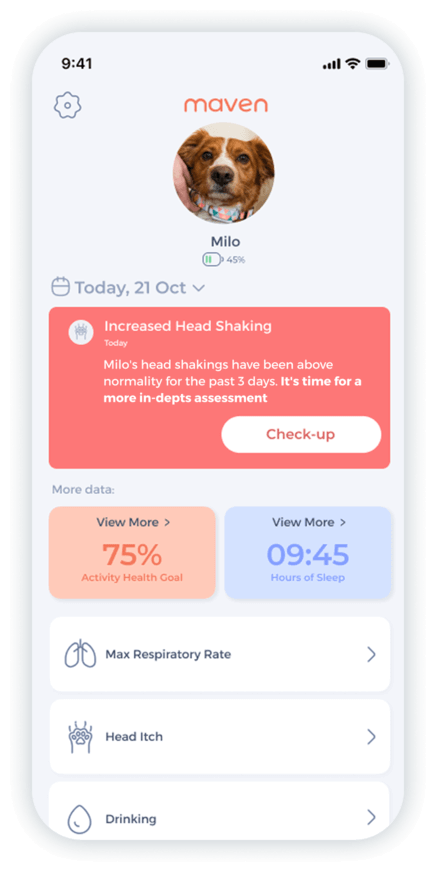
Monitor heart rate, respiratory rate, activity & rest, drinking, itch behavior.
What makes the pet health app especially useful is personalized baselines. Maven learns your dog’s normal patterns and flags meaningful changes from their usual behavior, so you are not getting some generic data.
Speaking of data, you get everything in shareable reports so your vet can make data-backed decisions and adjust the treatment if needed.
FAQ (Vet-Reviewed)
Yes. Most dogs develop a form of diabetes similar to Type 1, meaning their pancreas produces little to no insulin, which means they need insulin.
Most dogs receive insulin twice daily, typically around mealtimes. The exact schedule depends on the type of insulin prescribed and how your dog responds to treatment.
The most common side effect is hypoglycemia (low blood sugar). Signs include weakness, wobbliness, lethargy, disorientation, tremors, and, in severe cases, collapse. While not a side effect from insulin, cataracts are also common in diabetic dogs, especially when diabetes is not effectively managed
Certain types of human insulin, such as NPH insulin, can be safe and effective for dogs, but only if approved by the vet.
The only reliable way to know your dog’s blood glucose level is to measure it using a glucometer. However, certain signs may appear if the insulin dose is not appropriate. If the dose is too high, your dog may show signs of low blood sugar (hypoglycemia), such as weakness or tremors. If the dose is too low, symptoms of diabetes, such as increased thirst, frequent urination, weight loss, or lethargy, may persist or worsen.
Insulin is typically given with food or after a meal. If your dog refuses to eat or vomits, giving the full insulin dose could increase the risk of hypoglycemia. Contact your veterinarian right away for guidance before administering insulin in this situation.
Maven Pet focuses on improving the quality of life of our pets with technology, using artificial intelligence (AI) to enable proactive pet care. By accurately collecting and monitoring pet data 24/7 and flagging any irregularities, Maven Pet empowers pet parents and veterinarians to stay ahead of potential health issues, ensuring the well-being and longevity of our beloved companions.